Practical Application: Inspection of Sealing Works at the Emscherbruch Central Landfill
LIMES GmbH from Essen monitors the quality of landfill sealing structures as an accredited independent inspection body.
Older generations will remember that, until well into the late 1980s, almost every larger town had its own rubbish dump, usually located in a former gravel or clay pit, where household waste and other refuse were disposed of. At the time, landfills were often inadequately sealed against water seepage. Since then, largely unnoticed by the general public, waste management practices have improved considerably.
In 1991, the Technical Instructions on Waste (TA Abfall) introduced uniform nationwide standards for waste recovery and disposal for the first time. These regulations established requirements for the construction, approval and operation of waste disposal facilities. In 2009, as part of the reform of landfill and waste legislation, they were replaced by the current Landfill Ordinance (Deponieverordnung – DepV).
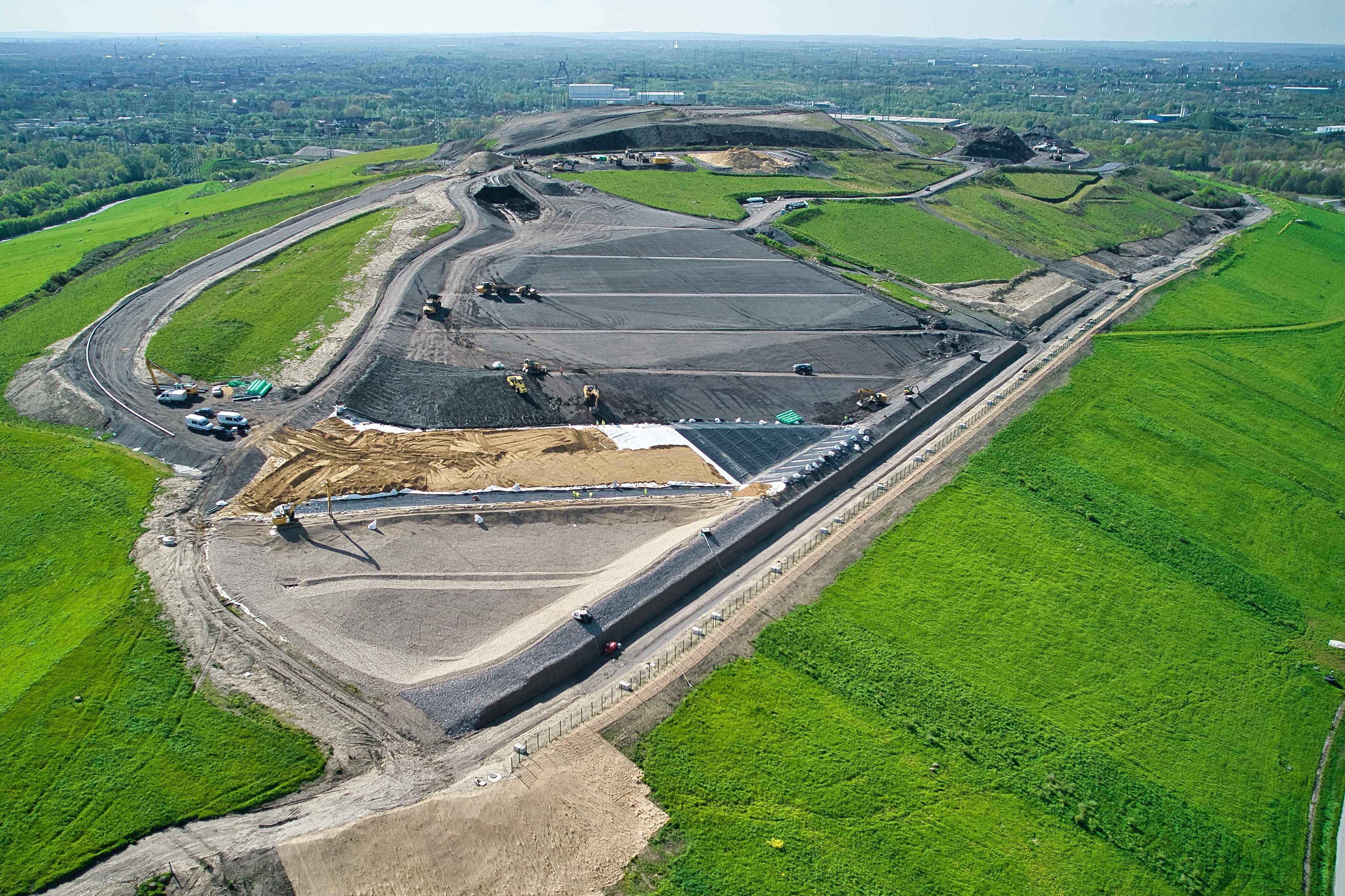
Since then, following recycling and, in most cases, energy recovery from household waste, landfills have become the final link in the waste management chain. In Gelsenkirchen, AGR, Abfallentsorgungs-Gesellschaft Ruhrgebiet mbH, operates its last remaining active landfill, the Emscherbruch Central Landfill. Hazardous-substance-contaminated waste classified as Landfill Classes I to III, such as road demolition material and ashes from municipal waste incineration plants, as well as other industrial waste and construction residues, can be permanently deposited here under strict safety precautions.
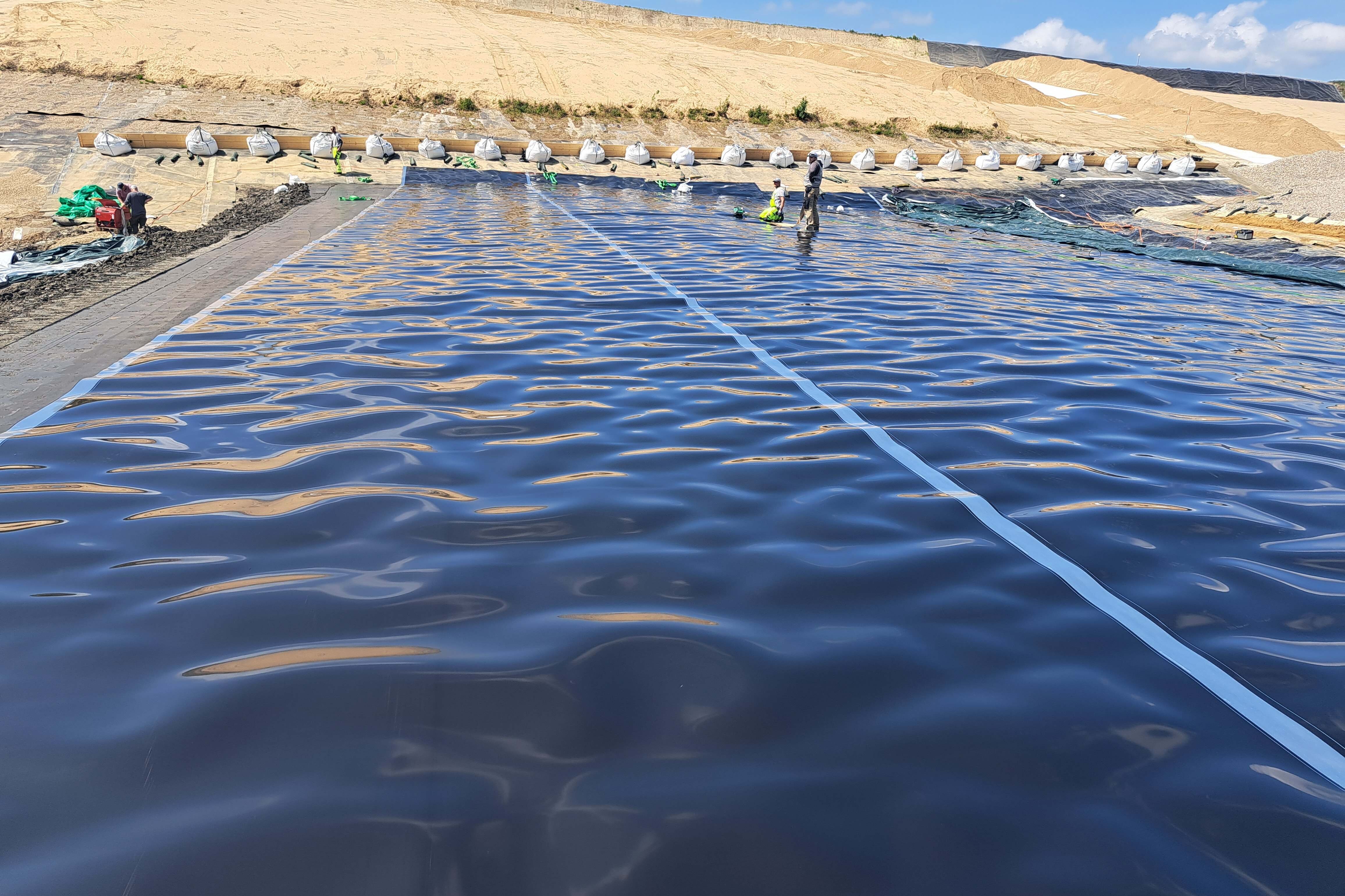
To prevent rainwater contaminated with pollutants from escaping the landfill body and contaminating groundwater, impermeable sealing systems are required to protect the base of the landfill. The first layer consists of a high-density polyethylene (HDPE) geomembrane designed to remain effective for at least 100 years, together with a natural mineral sealing layer made of clay compacted in successive layers. The clay is sourced, for example, from Hünxe near Schermbeck.
LIMES GmbH, based in Essen, monitors the quality of these sealing works carried out by construction companies commissioned by AGR. As an accredited inspection body with an accredited testing laboratory operating in accordance with the BAM guidelines for independent third-party inspection and the BQS 9-1 standard, LIMES employs more than twenty staff members, some of whom have academic qualifications.
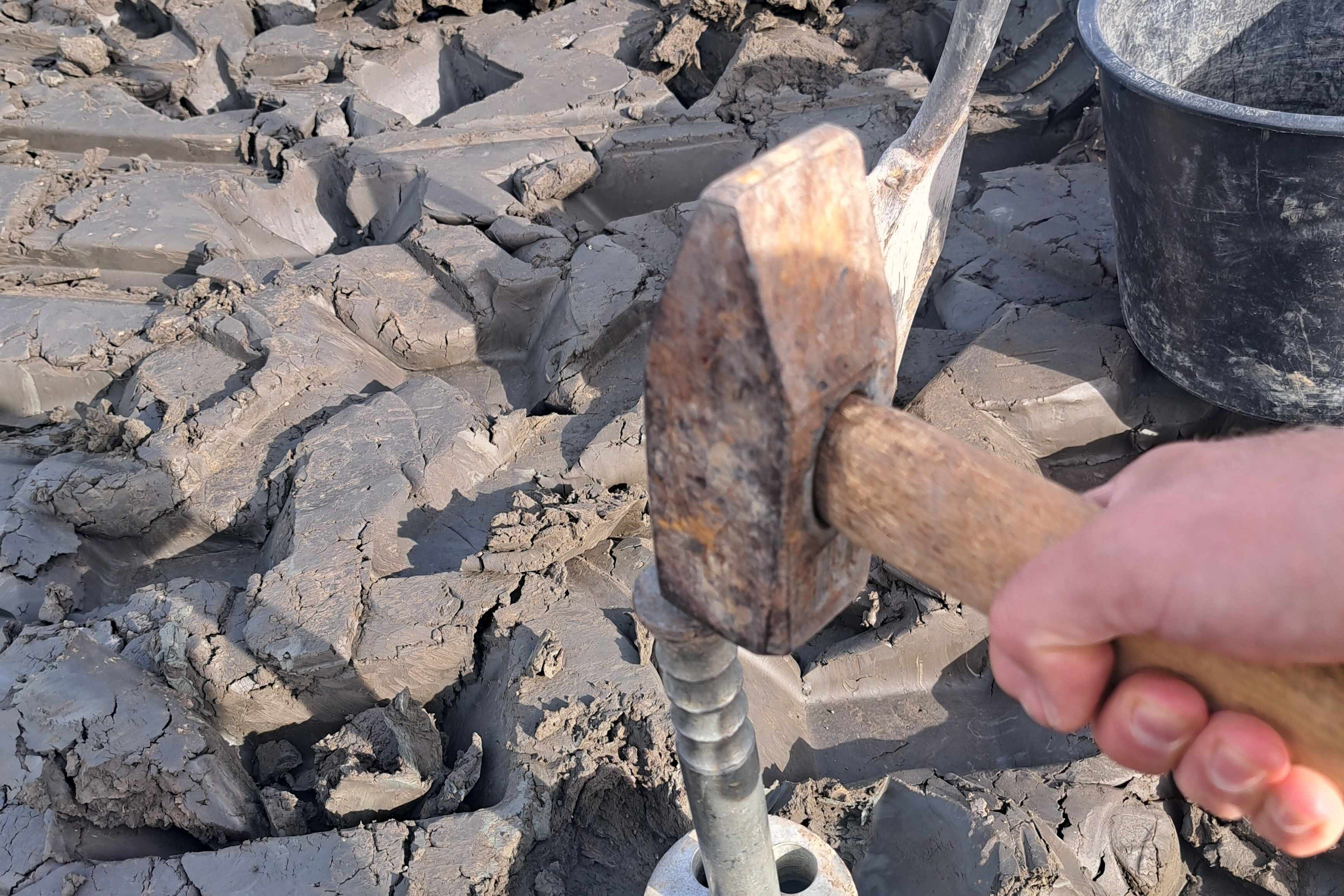
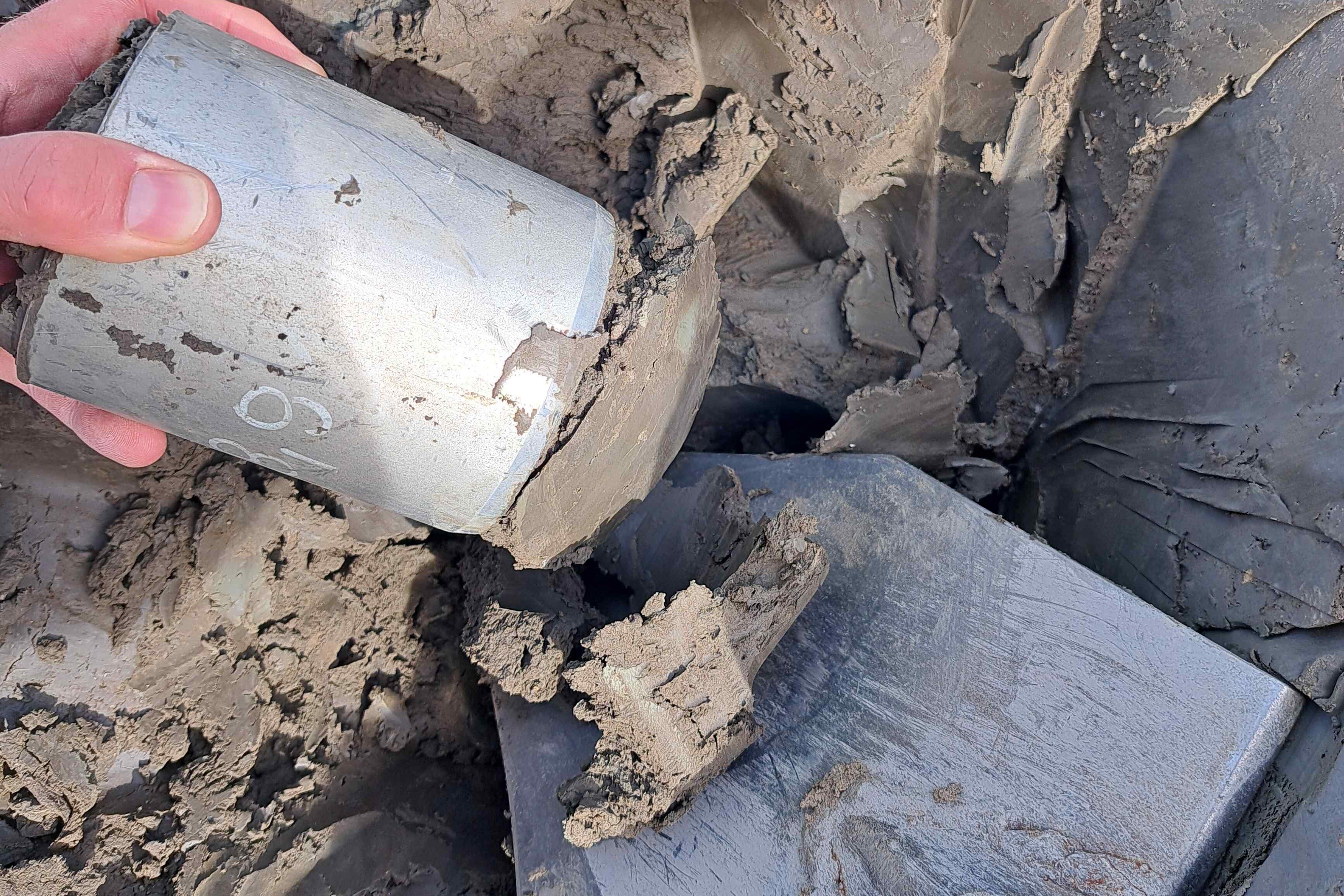
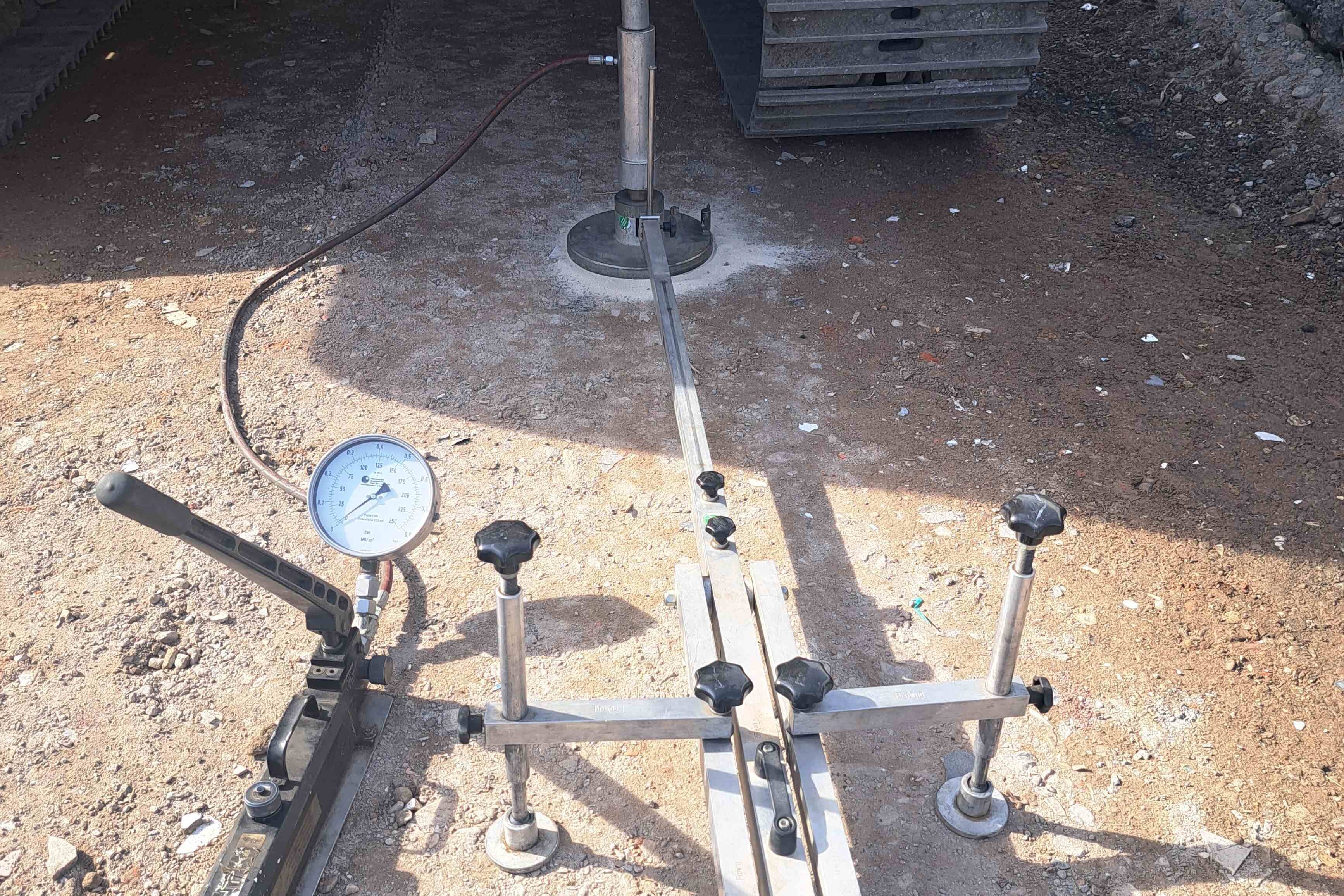
In addition to checking that the sealing layers have been installed correctly, LIMES assesses the quality of the structures using, among other methods, soil mechanics testing. A core cutter is used to collect soil samples to determine whether the required degree of compaction has been achieved. The samples are then tested in the laboratory to determine whether the coefficient of permeability meets the specified requirements.
LIMES uses the Proctor test to establish the reference values required to determine the degree of compaction of the mineral clay sealing layer. Further soil mechanics tests provide information on the effectiveness of the sealing system. If all measured values comply with the specified requirements, the structures can be deemed impermeable, and there is no risk to the subsoil, groundwater or public health.
Ultimately, LIMES is responsible for verifying the effectiveness of the sealing works at the Emscherbruch Central Landfill. Given the risks that permanently landfilled hazardous substances pose to the environment and human health, commissioning an independent, accredited inspection body with highly qualified staff and professional geotechnical equipment is both sensible and important. LIMES sources much of this equipment from Carl Hamm Geotechnik, also based in Essen.
Recycling and reuse, for example through the right to repair and numerous climate protection initiatives, are measures aimed at preventing waste and thereby avoiding environmental hazards. Preventing waste and using products that can be reused effectively remain important responsibilities for society as a whole.
Contact
LIMES GmbH
Ing. Peter Schreiber (Managing Director)
Carnaperhof 8–10
45329 Essen
Germany
Tel.: +49 201 999864 00
Email: info@limes-essen.de
Website: www.limes-essen.de
© Image rights: LIMES GmbH, Abfallentsorgungs-Gesellschaft Ruhrgebiet mbH